The first wave of AI adoption was about "chatting." The second wave is about "executing." For an enterprise, a single AI model is rarely enough to complete a business process. You need an orchestration layer.
What is Multi-Agent Orchestration?
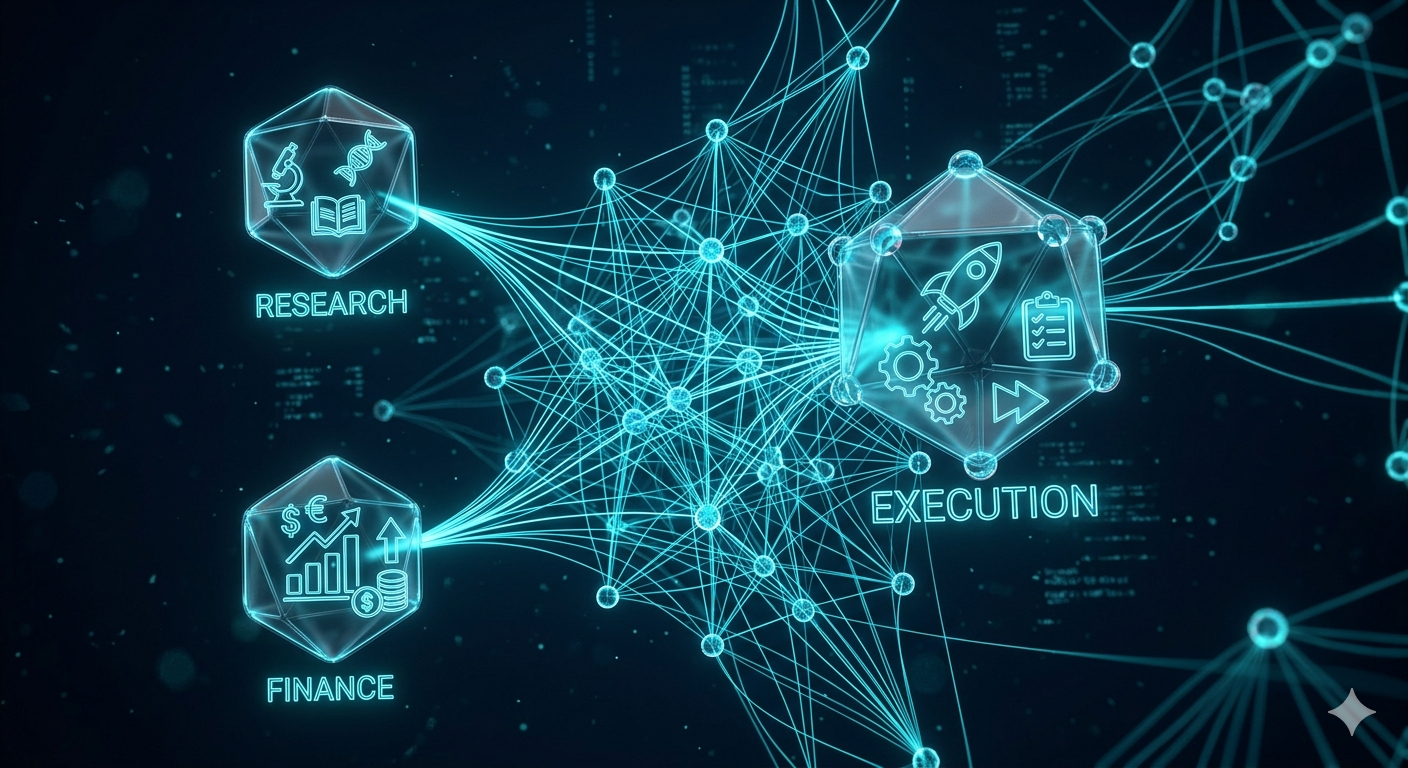
Instead of one large, general-purpose AI trying to do everything, we build a "Team of Specialists." One agent researches, one agent writes, one agent audits, and one agent executes. This is the Agentic Workflow pattern.
The Orchestrator Pattern
In this architecture, a central "Manager Agent" receives a high-level goal (e.g., "Onboard this new vendor"). It breaks the goal into sub-tasks and assigns them to worker agents. It reviews their work and iterates until the goal is met.
"The power of AI isn't in the model; it's in the system design. A team of small, specialized agents will outperform a single giant model every time."
Why It Matters for Your P&L
Multi-agent systems don't just suggest answers; they take actions. They can log into your ERP, update your CRM, and send Slack notifications. This eliminates the "Human Middleware"—the expensive hours your team spends moving data between windows.
We built the exact systems described in this article.
Book a free 60-minute diagnostic call. We'll map your specific situation, identify your highest-ROI automation opportunity, and scope a fixed-price engagement.
Start Free Audit